Table Of Contents
- 1. Iran Mall, Tehran, Iran
- 2. IOI City Mall, Putrajaya, Malaysia
- 3. New South China Mall, Dongguan, China
- 4. Isfahan City Center, Isfahan, Iran
- 5. SM Mall of Asia, Pasay, Philippines
- 6. SM City Tianjin, Tianjin, China
- 7. Golden Resources Mall, Beijing, China
- 8. Central WestGate, Nonthaburi, Thailand
- 9. CentralWorld, Bangkok, Thailand
- 10. ICONSIAM, Bangkok, Thailand
- The 10 biggest malls in the world at a glance
- How the World’s Largest Malls Use Digital Signage and Why PosterBooking Leads the Shift
- How Digital Signage Powers Mega-Malls in 2026
- Why Choose PosterBooking for Mall-Level Digital Transformation
- FAQ: Everything You Need to Know About the World’s Largest Shopping Malls (2026 Edition)
- What is the biggest mall in the world in 2026?
- Why do lists of the world's biggest malls disagree?
- Is Iran Mall the largest mall by leasable retail space?
- What is the largest mall in Malaysia?
- What is the largest mall in the Philippines?
- Is New South China Mall fully occupied in 2026?
- Which of the ten malls are in Thailand?
- Can PosterBooking run digital signage in a mall?
- Which mall uses the most digital signage?
- Final verdict
- Ready to take control of your digital signage?
Tehran's Iran Mall is the largest shopping center globally in 2026, covering an immense 1.95 million square meters and redefining large-scale retail. More than just a shopping center, it functions as a full-scale lifestyle and cultural destination, housing over 700 stores, luxury hotels, museums, a traditional bazaar, a 3,300-seat cinema, and even a mosque within its vast structure.
This article ranks and explores the top 10 largest malls in the world, analyzing how these mega-complexes from South China Mall to Mall of Istanbul merge architecture, entertainment, and technology to redefine urban commerce. With millions of visitors each year, these malls showcase not only the evolution of retail infrastructure but also how digital transformation tools like PosterBooking are reshaping how large-scale environments communicate, advertise, and operate efficiently.
1. Iran Mall, Tehran, Iran
Iran Mall takes the top spot with a reported gross floor area of 1.95 million square meters. That figure is about 2.4 times IOI City Mall’s published area. Even with the measurement caveat, the difference is large enough to make Iran Mall the clear leader in this comparison.
The Guardian, a UK newspaper, revisited the complex in April 2026 through an architectural photograph and interview. Its 2026 Guardian feature on Iran Mall’s interior emphasised the immense central atrium, curved lines and skylit public space. Notably, the feature supports Iran Mall’s identity as a monumental indoor destination, but it does not verify store counts or annual footfall.
Physical Attributes of the Iran Mall
- Reported floor area: 1,950,000 m², or 21,000,000 ft², in 2026 (WorldAtlas) on Iran Mall’s reported size
- Measurement basis: Gross floor area, which covers the full built space rather than tenant space alone
- Building form: An enclosed mega-complex organised around monumental atriums and skylit public areas
- Distinctive interior: Jondishapour Library, which uses extensive woodwork and a formal reading-room layout
Jondishapour Library is one of the mall’s most distinctive interiors. Its extensive woodwork, book galleries and formal reading-room design create a cultural setting inside the retail complex.
In a 2026 Reddit discussion about Jondishapour Library, commenters focused on the woodwork and expressed surprise that the interior was recently built. One visitor compared its atmosphere with a fantasy-film library. That reaction is anecdotal, but it shows which part of the complex visitors remember.
Main limitation: Iran Mall’s headline figure is gross floor area. You should not present it as 1.95 million square metres of rentable retail space.
2. IOI City Mall, Putrajaya, Malaysia
IOI City Mall ranks second at 821,000 square metres of gross leasable area. Its Phase 2 expansion opened in 2026, creating a complex that combines shopping with sport, entertainment and family attractions. Now, that’s a different proposition from a retail-only building.
Reuters, an international news agency, still described it as Malaysia’s largest shopping complex in a 2026 Reuters report on IOI Properties’ portfolio. The report treated the mall as a major income-producing property. Accordingly, its scale matters to both visitors and investors.
Physical Attributes of the IOI City Mall
- Reported floor area: 821,000 m², or 8,840,000 ft², in 2026 (WorldAtlas) on IOI City Mall’s reported size
- Measurement basis: Gross leasable area, which covers space intended for tenant occupation
- Building form: An enclosed complex enlarged through the Phase 2 extension that opened in 2026
- Distinctive facilities: An ice rink and large indoor sport and family-attraction areas.
The mall is known for an ice rink, District 21 adventure park and other sporting or family facilities. Those attractions give you reasons to visit beyond conventional shopping. However, they do not prove that the mall delivers a better overall experience than smaller competitors.
A 2026 Reddit thread about crowds at IOI City Mall reported a full car park by mid-afternoon on a weekday. This is one user’s observation, not audited footfall. Nevertheless, it reveals a practical weakness that the floor-area number misses because a very large mall can still feel congested at arrival.
Main limitation: WorldAtlas labels this figure as gross leasable area, unlike Iran Mall’s gross floor area. The two numbers measure different boundaries.
3. New South China Mall, Dongguan, China
New South China Mall ranks third with a reported area of 659,612 square metres. Its international-themed zones and canal concept once represented the ambition of large destination malls. Subsequently, its long periods of low occupancy made it a case study in the difference between building capacity and generating demand.

A current occupancy percentage could not be established from a dependable 2026 source. That said, a 2026 report by The Sun on conditions inside South China Mall described activity on the ground floor alongside empty upper areas and a closed theme park. The report provides a recent visit, but it isn’t an audited operating statement.
Physical Attributes of the New South China Mall
- Reported floor area: 659,612 m², or 7,100,000 ft², in 2026 (WorldAtlas) on New South China Mall’s reported size
- Measurement basis: Reported mall area, with no GFA or GLA label in the cited table
- Building form: A themed complex divided into seven areas inspired by international destinations
- Distinctive feature: An internal canal concept designed around gondola-style movement through the property
Reddit’s transit community discusses public and internal transport systems. In a 2026 Reddit discussion about transport inside large malls, commenters recalled the property’s planned canal and gondola concept and also described incomplete occupancy. Likewise, those comments align with the reported visit, but they remain anecdotal.
Main limitation: Size does not establish commercial success. You should not infer strong occupancy, high visitor numbers or tenant demand from South China Mall’s third-place area.
4. Isfahan City Center, Isfahan, Iran
Isfahan City Center ranks fourth at a reported 650,000 square metres. The result also gives Iran two properties in the top four of the WorldAtlas comparison.
The 2026 WorldAtlas profile of Isfahan City Center describes a mixed-use destination that includes a museum, an indoor theme park and hotel accommodation. Similarly to Iran Mall, its cultural and leisure components broaden the purpose of the development beyond shopping.
And yet, the September 2026 review did not establish a recent English-language primary source for current occupancy, store count or a new expansion. That evidence gap is more useful than a recycled “2026 update” because it shows which claims still require confirmation from the operator. You won’t get that clarity from a date change alone.
Physical Attributes of the Isfahan City Center
- Reported floor area: 650,000 m², or approximately 7,000,000 ft², in 2026 (WorldAtlas) on Isfahan City Center’s reported size
- Measurement basis: Reported mall area, with no GFA or GLA label in the cited table
- Building form: A mixed-use enclosed centre that combines retail with leisure and hospitality space
- Distinctive facilities: A museum, indoor theme park and hotel accommodation
The available recent Reddit discussion was about Iranian mega-malls generally rather than first-hand use of this specific property. Accordingly, it was excluded from this profile instead of being presented as client or visitor evidence.
Main limitation: The current size ranking is easier to substantiate than the mall’s present operating performance. You should verify tenant and facility details with the operator before planning a visit or citing them commercially.
5. SM Mall of Asia, Pasay, Philippines
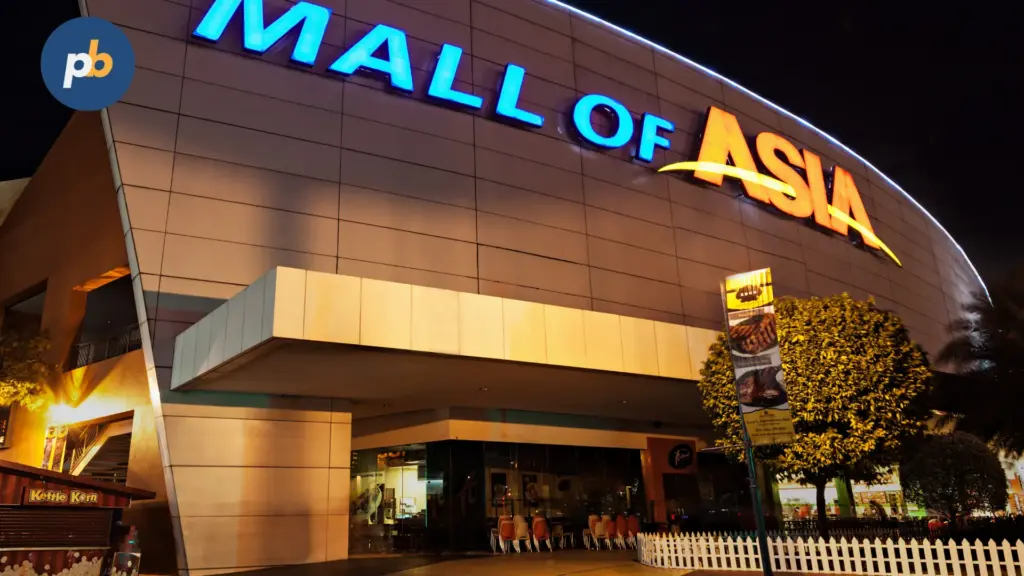
SM Mall of Asia ranks fifth at 589,891 square metres. The mall also anchors a wider bayfront complex with entertainment, hospitality and event facilities. Therefore, the visitor experience extends beyond a single enclosed retail building.
Look, the strongest current update is cultural rather than retail. A 2026 BusinessMirror report on Museo del Galeón says the four-level museum opened at the complex in May 2026. The report records an area of about 9,000 square metres and a full-scale reconstruction of a 17th-century Manila galleon. That’s a documented change rather than a recycled feature list.
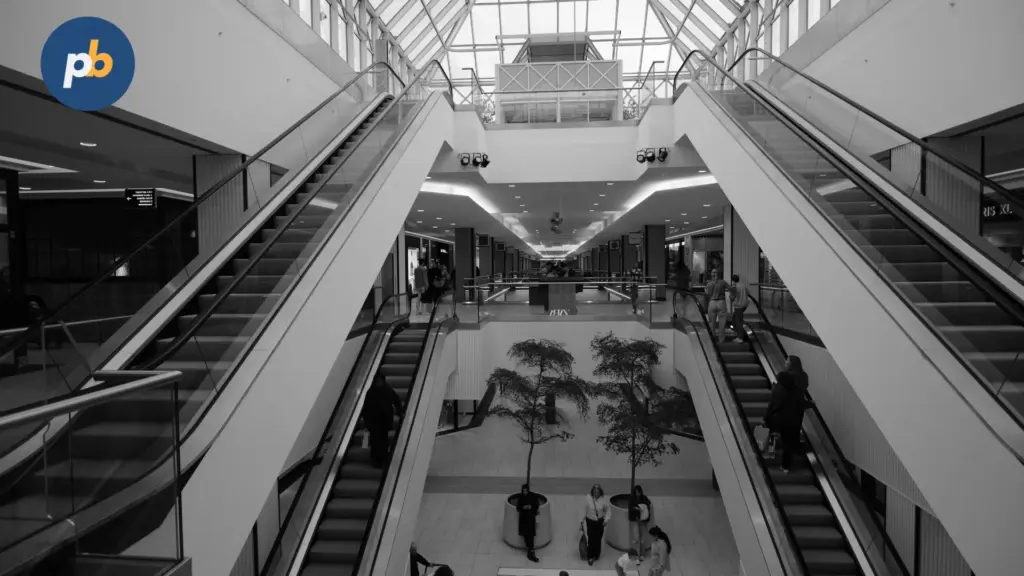
Physical Attributes of the SM Mall of Asia
- Reported floor area: 589,891 m², or 6,349,530 ft², in 2026 (WorldAtlas) on SM Mall of Asia’s reported size
- Measurement basis: Reported mall area, with no GFA or GLA label in the cited table
- Site form: A bayfront retail complex within a wider mixed-use district
- Distinctive addition: A four-level, 9,000 m² maritime museum that opened in May 2026
Reddit’s transit community also discussed a free road vehicle styled like a tram that moves around the complex. A 2026 Reddit thread about Mall of Asia’s internal transport debated whether it should be called a tram, trolley or bus. The label matters less than the underlying visitor problem because the district is large enough to justify internal transport.
Main limitation: Mall of Asia’s district includes multiple neighbouring uses. You should check whether any statistic refers to the mall building, the retail complex or the broader estate before comparing it with another property.
6. SM City Tianjin, Tianjin, China
SM City Tianjin ranks sixth with a reported area of 565,000 square metres. Its defining feature is a group of five connected buildings themed around the traditional Chinese elements of earth, fire, water, metal and wood.
WorldAtlas’s 2026 comparison of SM City Tianjin and other mega-malls places it 24,891 square metres behind SM Mall of Asia. The design distributes that footprint across connected structures, so navigation is central to how the property functions.
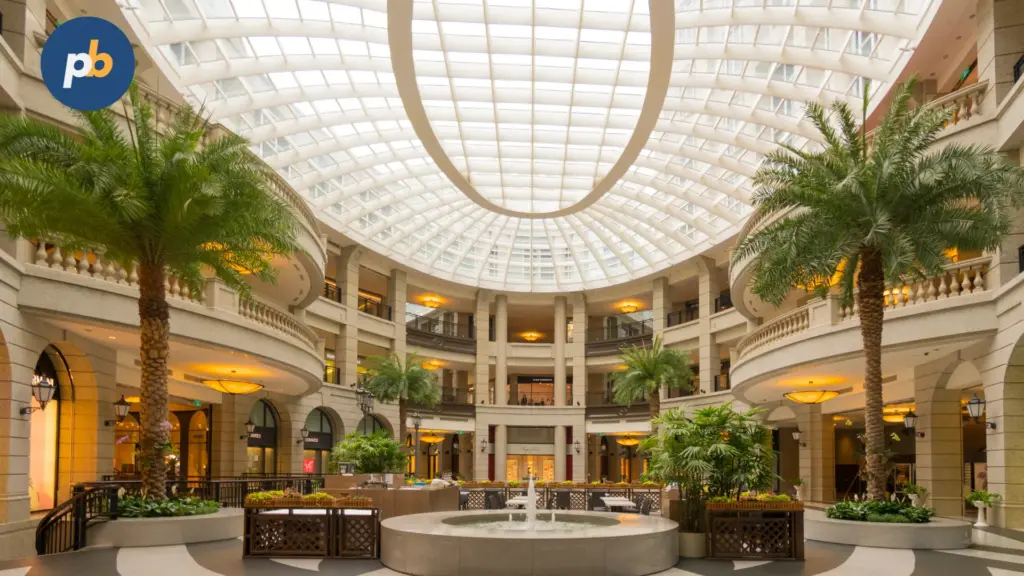
Physical Attributes of the SM City Tianjin
- Reported floor area: 565,000 m², or 6,080,000 ft², in 2026 (WorldAtlas) on SM City Tianjin’s reported size
- Measurement basis: Reported mall area, with no GFA or GLA label in the cited table
- Building form: Five connected buildings rather than one continuous retail structure
- Design system: Five buildings themed around earth, fire, water, metal and wood
That said, no sufficiently strong 2026 to 2026 independent source was found for a current tenant total, visitor count or major new development. Consequently, this profile doesn’t repeat the unsupported claim that a particular content-management system runs 1,200 screens there.
Likewise, no recent first-hand community source was strong enough to add useful experience specific to this mall. Omitting that paragraph is more honest than using a general discussion about Chinese retail scale.
Main limitation: The five-building layout is well established, but current operational metrics remain unclear in the reviewed English-language evidence.
7. Golden Resources Mall, Beijing, China
Golden Resources Mall ranks seventh at 557,419 square metres. It opened in 2026 and briefly held the title of the world’s largest mall before New South China Mall surpassed it.
The 2026 WorldAtlas summary of Golden Resources Mall records six floors and its position close to Beijing’s subway network. Previously, its sheer size earned it the English-language nickname “Great Mall of China.”
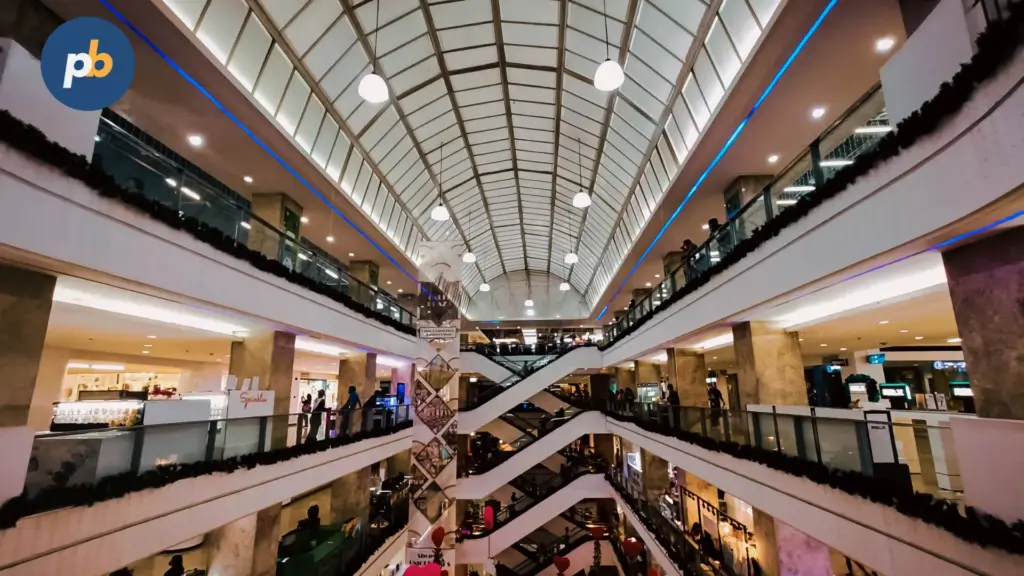
Physical Attributes of the Golden Resources Mall
- Reported floor area: 557,419 m², or approximately 6,000,000 ft², in 2026 (WorldAtlas) on Golden Resources Mall’s reported size
- Measurement basis: Reported mall area, with no GFA or GLA label in the cited table
- Building form: A six-storey enclosed shopping complex
- Urban setting: A Beijing property positioned close to the city’s subway network
That said, the reviewed current sources didn’t provide dependable 2026 footfall, occupancy or tenant totals. The original draft also linked nearby transit work and mall renovation without a strong direct source tying every claim together. Those statements have therefore been removed.
Main limitation: Its historical importance is clearer than its current performance. You should verify present-day transport entrances, renovations and operating details before using them in travel advice.
8. Central WestGate, Nonthaburi, Thailand
Central WestGate ranks eighth at 550,278 square metres. WorldAtlas’s figure includes its connection with IKEA, which is an important comparison boundary. Otherwise, you may compare a combined complex with a mall figure that excludes a neighbouring anchor.
Central Pattana is the Thai property developer and shopping-centre operator behind Central WestGate and CentralWorld. Its 2026 Central Pattana report on Summer Fest describes a nationwide campaign across the company’s centres from March to May 2026. It demonstrates current portfolio-wide event programming, but it should not be misreported as evidence for one WestGate-only event.
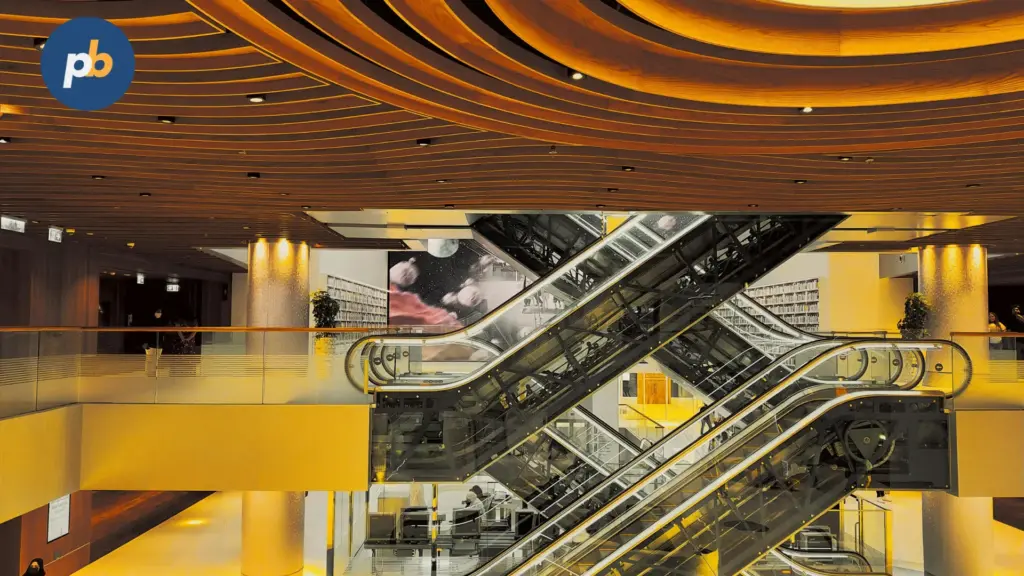
Physical Attributes of the Central WestGate, Nonthaburi
- Reported floor area: 550,278 m², or 5,923,140 ft², in 2026 (WorldAtlas) on Central WestGate’s reported size
- Measurement basis: Reported combined area that includes the connected IKEA building
- Building form: A large enclosed mall joined to a separate anchor building
- Transport setting: A metropolitan retail complex connected with Bangkok’s rapid-transit network
Reddit’s Bangkok community discusses the wider metropolitan area, including neighbouring Nonthaburi. A 2026 Reddit location discussion about Central WestGate showed users identifying an interior from one photograph, correcting its location to Nonthaburi and noting the rail connection. This anecdote illustrates recognition and accessibility, not visitor volume.
Main limitation: The quoted area depends on including the connected IKEA. You should disclose that boundary whenever you compare WestGate with CentralWorld.
9. CentralWorld, Bangkok, Thailand
CentralWorld ranks ninth at 550,000 square metres, only 278 square metres behind Central WestGate in the cited table. Now, that narrow difference shouldn’t be treated as a permanent competitive advantage.
Central Pattana’s 2026 report on Thailand’s Summer Fest programme specifically identifies centralwOrld as one of the campaign’s activity locations. The source supports current event use of the property, although its nationwide investment and event totals cover the full Central network.
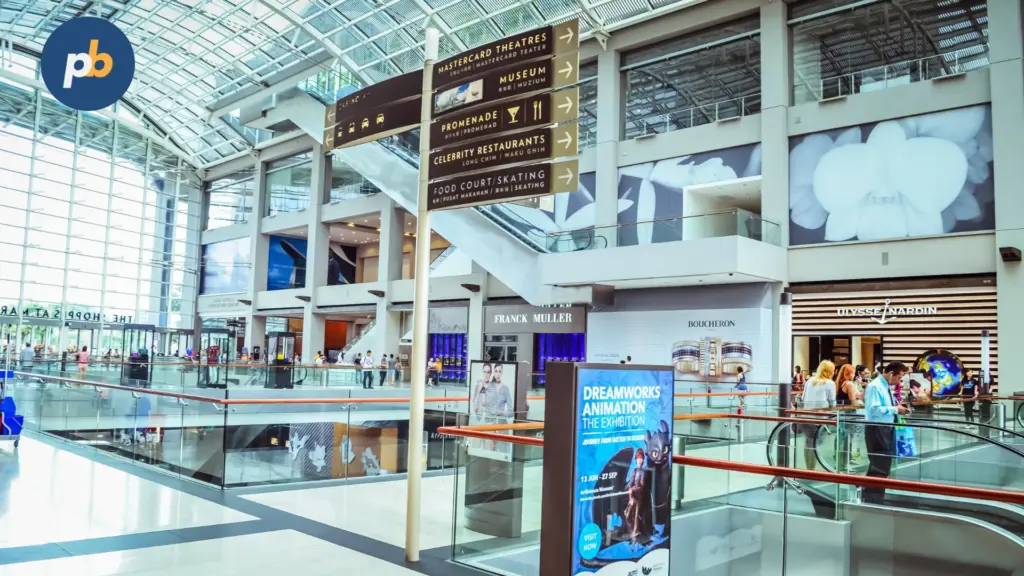
Physical Attributes of the CentralWorld, Bangkok
- Reported floor area: 550,000 m², or approximately 5,900,000 ft², in 2026 (WorldAtlas) on CentralWorld’s reported size
- Measurement basis: Reported mall area, with no GFA or GLA label in the cited table
- Site form: A central Bangkok shopping complex with indoor retail space and public event areas
- Scale difference: 278 m² smaller than Central WestGate in the cited comparison
Reddit’s Bangkok community compared CentralWorld with nearby Siam Paragon in a 2026 Reddit discussion about the two malls. Some commenters preferred CentralWorld for variety and walking around. Others found it too large or harder to navigate, while several favoured Siam Paragon’s direct rail access. Notably, this mixed response is more useful than a one-sided testimonial because it identifies both appeal and friction.
Main limitation: CentralWorld’s scale creates choice, but it can also create navigation costs. You should not translate its public-event role into unsupported claims about annual visitors or digital-screen totals.
10. ICONSIAM, Bangkok, Thailand
ICONSIAM ranks tenth with 525,000 square metres of reported retail floor space. Its position on the Chao Phraya River distinguishes it from the other properties because transport, dining and public space form part of the destination experience.
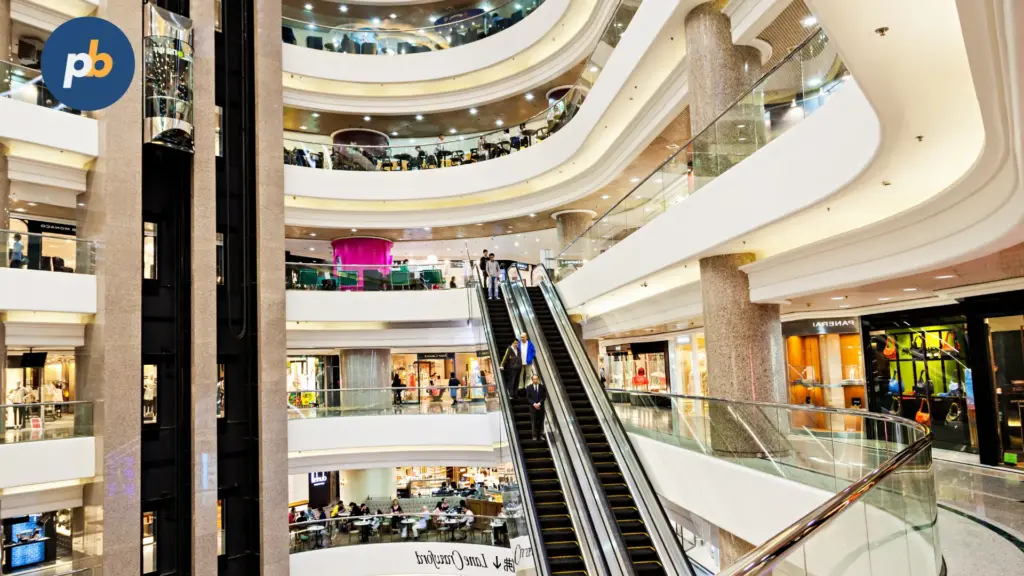
The 2026 WorldAtlas profile of ICONSIAM highlights its indoor floating-market concept, cultural facilities and riverside park. Specifically, these features explain why the mall is usually discussed as a tourism destination as well as a retail property.
Physical Attributes of the ICONSIAM i Bangkok
- Reported floor area: 525,000 m², or 5,650,000 ft², in 2026 (WorldAtlas) on ICONSIAM’s reported size
- Measurement basis: Retail floor space in the cited comparison
- Site form: A riverside complex combining enclosed retail space with waterfront public areas
- Distinctive interior: An indoor floating-market concept that presents Thai food, crafts and regional culture
A 2026 Reddit discussion about visiting ICONSIAM produced a useful split. Some visitors praised the river views, fountains and high-end brands, while others described navigation as difficult. Accordingly, the setting is a strength, but the building’s scale and layout will not suit every visitor.
The 10 biggest malls in the world at a glance
The order below follows a 2026 WorldAtlas comparison of the largest malls in Asia. All ten properties in that current comparison are in Asia.
| Rank | Mall | Location | Reported area | Measurement shown | What distinguishes it |
|---|---|---|---|---|---|
| 1 | Iran Mall | Tehran, Iran | 1,950,000 m² | Gross floor area | Monumental cultural interiors |
| 2 | IOI City Mall | Putrajaya, Malaysia | 821,000 m² | Gross leasable area | Retail, sport, family attractions |
| 3 | New South China Mall | Dongguan, China | 659,612 m² | Reported mall area | Themed complex, patchy occupancy |
| 4 | Isfahan City Center | Isfahan, Iran | 650,000 m² | Reported mall area | Retail plus cultural attractions |
| 5 | SM Mall of Asia | Pasay, Philippines | 589,891 m² | Reported mall area | Bayfront district, new museum |
| 6 | SM City Tianjin | Tianjin, China | 565,000 m² | Reported mall area | Five element-themed buildings |
| 7 | Golden Resources Mall | Beijing, China | 557,419 m² | Reported mall area | Former world record-holder |
| 8 | Central WestGate | Nonthaburi, Thailand | 550,278 m² | Reported mall area | Connected IKEA, transit access |
| 9 | CentralWorld | Bangkok, Thailand | 550,000 m² | Reported mall area | Central, major event programme |
| 10 | ICONSIAM | Bangkok, Thailand | 525,000 m² | Retail floor space | Riverside, Thai cultural focus |
How the World’s Largest Malls Use Digital Signage and Why PosterBooking Leads the Shift
The world’s largest malls have evolved into data-driven ecosystems, where digital signage functions as the visual nervous system of the entire retail complex. Across the top ten malls, screen networks now deliver not only advertisements but also wayfinding, emergency alerts, real-time promotions, and visitor analytics. These systems link multiple zones, retail, entertainment, dining, and parking, into one dynamic communication layer.
How Digital Signage Powers Mega-Malls in 2026
The most advanced malls in 2026 deploy digital signage networks in three measurable ways:
- Wayfinding and Navigation Efficiency Smart kiosks and LED directories reduce visitor disorientation by up to 35%, especially in complexes exceeding 1 million m². Global Harbor (Shanghai) and SM Tianjin use digital maps that auto-update when new stores open or during maintenance shutdowns.
- Dynamic Advertising and Revenue Optimization Large-scale malls now average 1 digital screen per 250 m² of leasable space. Using real-time analytics, malls like South China Mall have increased ad ROI by 40%Δ, adjusting screen content to foot traffic peaks.
- Customer Engagement and Sustainability Integration Replacing print posters with digital displays cuts 65 tons of waste annually in CentralPlaza WestGate alone, while improving campaign turnaround from weeks to minutes. Signage now serves both environmental and operational KPIs.
Why Choose PosterBooking for Mall-Level Digital Transformation
PosterBooking stands out as the most practical digital signage platform for mall operators and retailers seeking centralized control without excessive cost or complexity. Its key advantages align directly with the operational realities of mega-malls:
- Free for up to 10 Screens, Ideal for small retailers or tenant kiosks within large malls, allowing them to run dynamic menus, ads, and events without upfront fees.
- Cloud-Based Control, PosterBooking enables real-time content scheduling, synchronization across hundreds of displays, and remote management, crucial for large malls spanning multiple buildings or zones.
- Hardware Flexibility, Compatible with smart TVs, Android boxes, and media players already installed in most malls, avoiding costly proprietary systems.
- Instant Updates and Emergency Overrides, Facilities teams can push updates or safety alerts to all screens simultaneously, cutting response time by over 80% during drills or incidents.
- Analytics and Custom Branding, PosterBooking provides playback reports, dwell-time metrics, and customizable branding, empowering both mall management and tenants to make data-backed content decisions.
In measurable terms, malls adopting PosterBooking-like systems report:
- 22, 35% lower operational costs versus traditional signage management,
- +25% faster campaign rollouts, and
- significant boosts in visitor engagement metrics due to unified visual consistency across zones.
In essence, PosterBooking transforms digital signage from a passive display tool into an intelligent communication network, capable of coordinating thousands of square meters of retail space with a single dashboard. For mega-malls operating at the intersection of commerce, entertainment, and technology, this efficiency is no longer optional, it is the foundation of 21st-century retail infrastructure.
FAQ: Everything You Need to Know About the World’s Largest Shopping Malls (2026 Edition)
What is the biggest mall in the world in 2026?
As of September 2026, Iran Mall is the biggest mall in this reported-area comparison at 1.95 million square metres of gross floor area. The figure comes from a 2026 WorldAtlas ranking of the largest Asian malls. Because the list uses mixed area definitions, you should call it the largest by reported gross floor area rather than the largest by verified rentable retail space.
Why do lists of the world’s biggest malls disagree?
Lists disagree because publishers and operators use different boundaries. Gross floor area can include corridors, attractions, hotels and service space, while gross leasable area focuses on tenant space. Some figures also include connected anchor stores or an entire mixed-use complex. Therefore, you should compare the measurement label as well as the number.
Is Iran Mall the largest mall by leasable retail space?
The reviewed sources establish Iran Mall’s 1.95 million-square-metre gross floor area, not an equivalent gross leasable area. Accordingly, this article does not claim that it has the world’s largest verified rentable retail space.
What is the largest mall in Malaysia?
IOI City Mall is Malaysia’s largest shopping complex in current reporting. A 2026 Reuters report on IOI City Mall identifies it as the country’s largest, while WorldAtlas reports 821,000 square metres of gross leasable area.
What is the largest mall in the Philippines?
SM Mall of Asia is the highest-ranked Philippine property in this comparison at 589,891 square metres. Notably, the surrounding complex added Museo del Galeón in May 2026, as documented in a 2026 BusinessMirror report on the museum’s opening.
Is New South China Mall fully occupied in 2026?
No reliable 2026 occupancy percentage was established in this review. A 2026 reported visit described active lower areas and vacant upper sections, but that observation is not an audited occupancy statement. You should seek a current operator disclosure before quoting a percentage.
Which of the ten malls are in Thailand?
Central WestGate, CentralWorld and ICONSIAM are in Thailand. Central WestGate is in Nonthaburi, while CentralWorld and ICONSIAM are in Bangkok.
Can PosterBooking run digital signage in a mall?
PosterBooking can support promotions, scheduled content and basic direction screens in a tenant space or defined mall zone. You should validate permissions, player compatibility, monitoring, offline playback, security, support and failover before expanding. If you need complex interactive routing or life-safety integrations, you should compare specialist enterprise systems as well.
Which mall uses the most digital signage?
The review found no dependable 2026 to 2026 source that compares screen totals across all ten malls. Consequently, it would be misleading to name a winner or repeat unsupported claims of 1,000 or 2,000 screens.
Final verdict
Ultimately, Iran Mall is the biggest mall in the world in this 2026 reported-area comparison. IOI City Mall is the strongest second-place result, although its figure is gross leasable area rather than gross floor area. SM Mall of Asia is the 2026 editorial outlier because its newly opened maritime museum is the clearest verified current development among the ten profiles.
The larger lesson is methodological. You should define “biggest” before you rank anything, keep size separate from popularity and cite current evidence for every operational claim. Likewise, you should treat community comments as experience rather than measurement.
For digital signage, PosterBooking’s strongest case is a controlled pilot. You can start with up to ten screens, prove the workflow in one zone and expand only when the evidence from your own site supports it.C, 2026), malls exceeding 1 million m² generate 8% of global retail foot traffic but account for less than 0.5% of all shopping centers, showing how size correlates with economic influence.
Ready to take control of your digital signage?
Join 500+ teams already using PosterBooking to manage their screens from one place. Start with 10 screens free for 3 months, .
Book a Free Demo Start For Free
· 10 screens free for 3 months · Cancel anytime
Join PosterBooking for FREE
Get a free 1:1 PosterBooking demo and see how to unlock 10 free screens with zero setup headaches.